
Bob haircut types, explained
A bob is any cut that ends somewhere between the cheekbones and the shoulders. The types differ in three ways: length (micro sits above the jaw, a lob near the collarbone), the edge (blunt and solid, or textured and choppy) and where the weight sits, which decides how full or sleek it looks.
The chin-length classics
Italian bob
Sits around the jaw or just below, with a thick, solid perimeter and plenty of body. The ends are softly beveled so they swing under, and it's usually blow-dried with a round brush for that glossy, full look. Best on medium to thick hair. On fine hair, keep it a little shorter so the ends stay dense. The weight at the jaw adds width there, which flatters heart-shaped and long faces.
French bob
Shorter than the Italian: between the lips and the jaw, almost always with a fringe (blunt or wispy) and a slightly undone, air-dried finish. Great on straight and wavy hair, and on oval, heart and long faces, because the fringe shortens the face. Expect fringe trims every three to four weeks.
Classic (blunt) bob
One length at the chin with a sharp, straight edge. Blunt ends make fine hair look thicker, which is why this is the go-to bob for fine, straight hair. The strong line at the chin draws attention to the jaw, which is great if you like yours and less flattering on a round face.
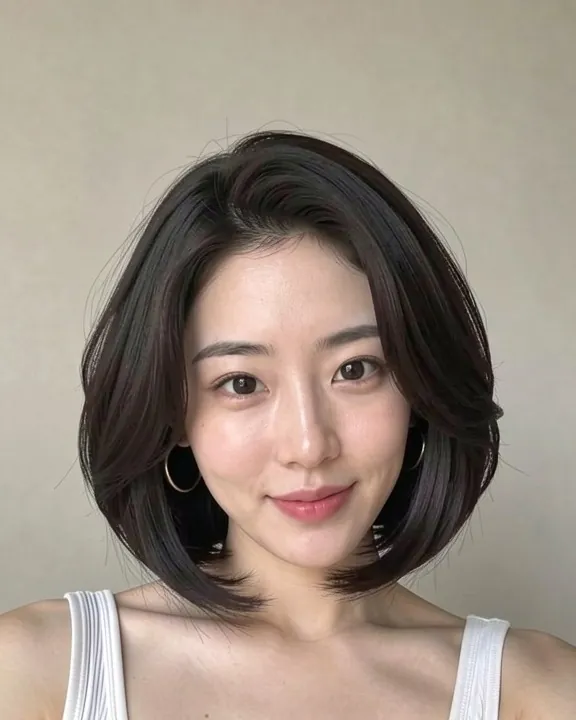
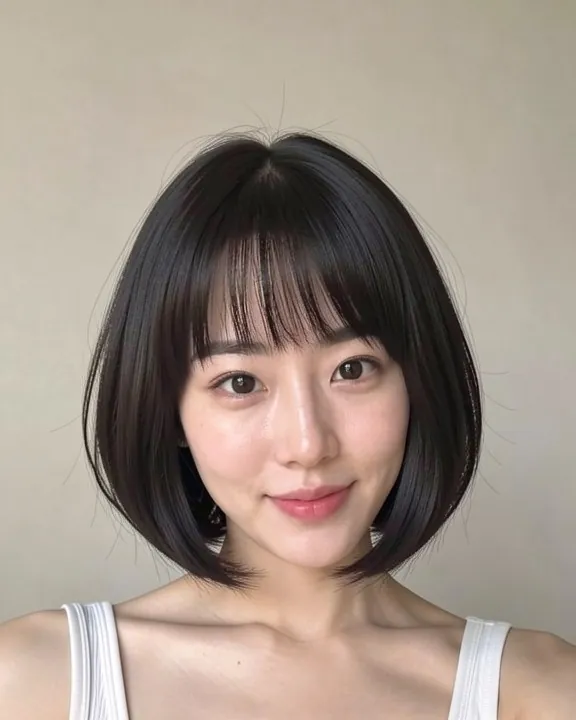
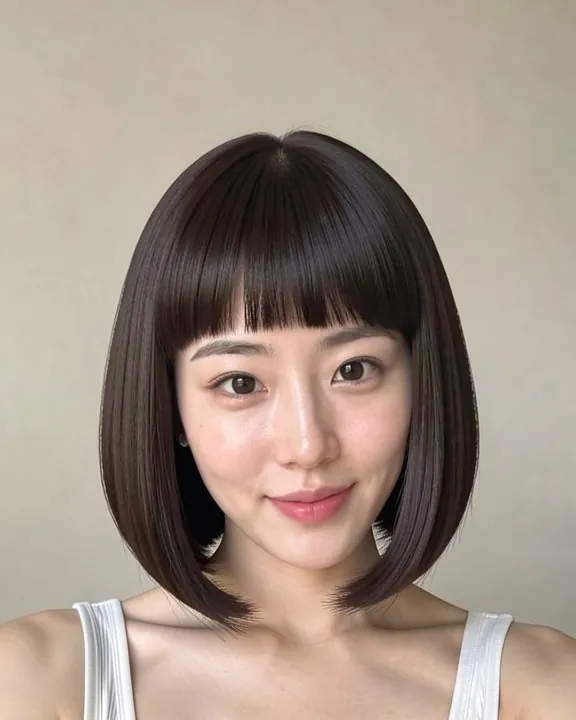
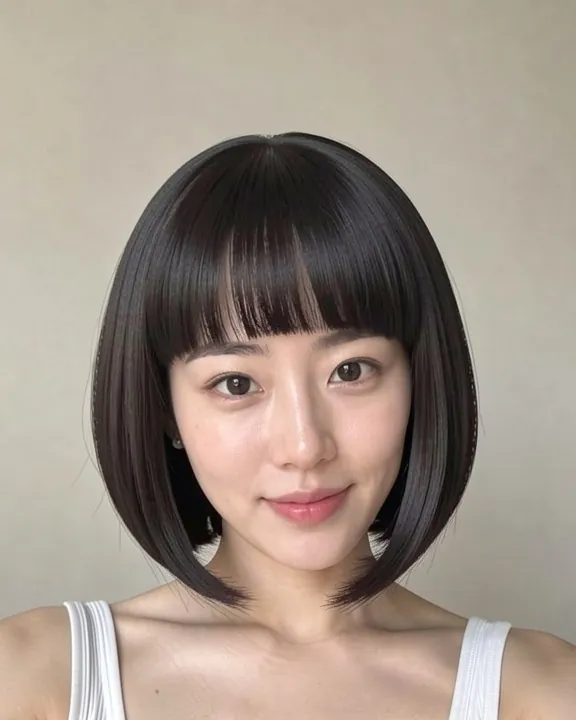
AI previews made with SwapHair from one photo of the same woman. Some previews also shifted her color; the cut is what to look at.
Short and bold
Micro bob
Ends above the jawline, anywhere from the earlobe to the cheekbone, often with a short fringe. It shows the whole face and the neck, so it works best when you like your proportions. Straight hair holds the shape best. It needs a trim every four to six weeks to keep its line.
Bixie
A pixie-bob hybrid: shorter, layered and pixie-like at the back, with longer pieces around the ears and face. It's a good way to grow out a pixie, or a softer step down from a bob. Texture spray or paste does most of the styling.
Textured and shaped bobs
Shattered bob
Choppy, piecey ends cut with a razor or by point cutting, which removes a lot of weight. Ideal for thick hair that would otherwise puff into a triangle. On fine hair it can look thin, so ask for lighter texturizing.
Wavy bob
Layers placed to let a natural wave or curl sit properly, often cut dry. Remember shrinkage: curly hair is cut longer than the target length because it springs up as it dries.
Flip bob
A chin-to-shoulder bob with the ends turned outward. It's a retro shape that needs a flat iron or round brush most mornings, because the flip doesn't happen on its own.
Asymmetric bob
One side longer than the other, often with a deep side part. The angle adds edge and can balance a round face, but it needs regular trims or the asymmetry starts to look accidental.
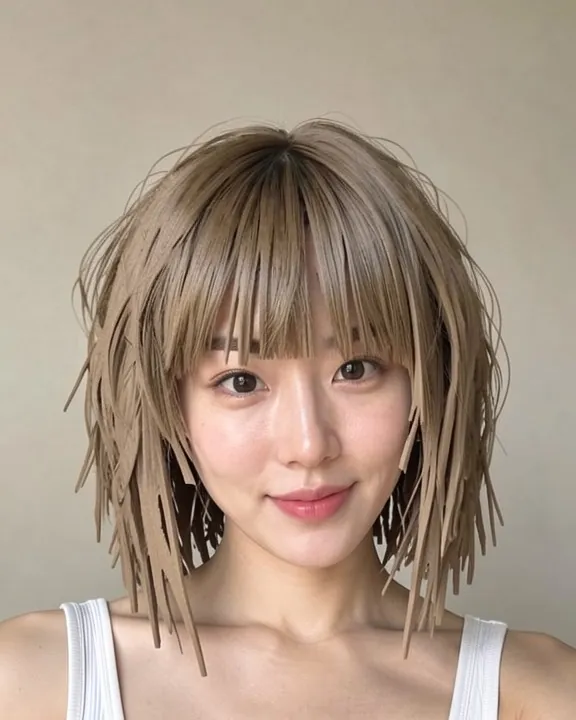
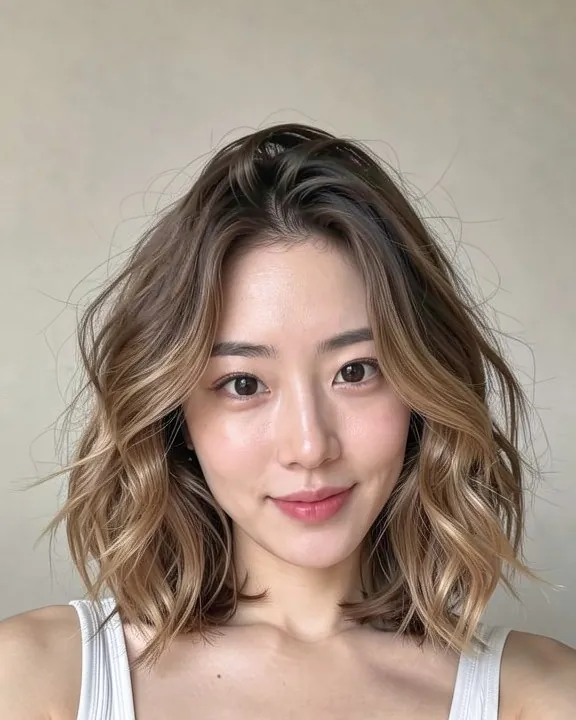
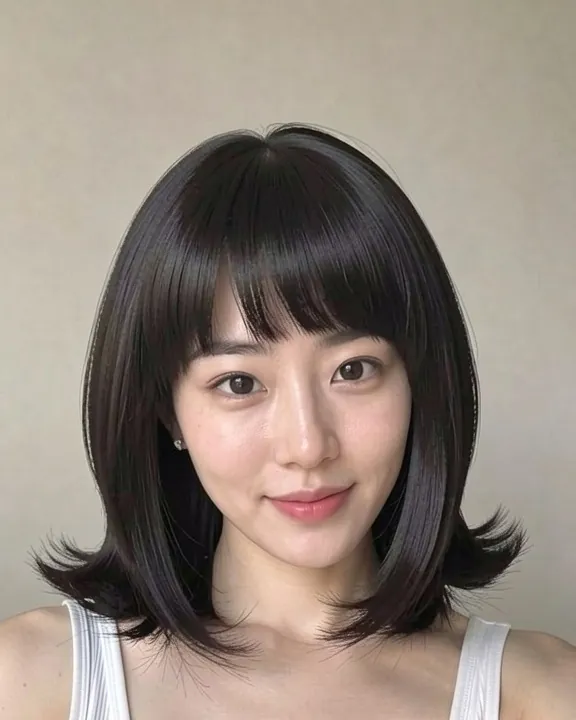
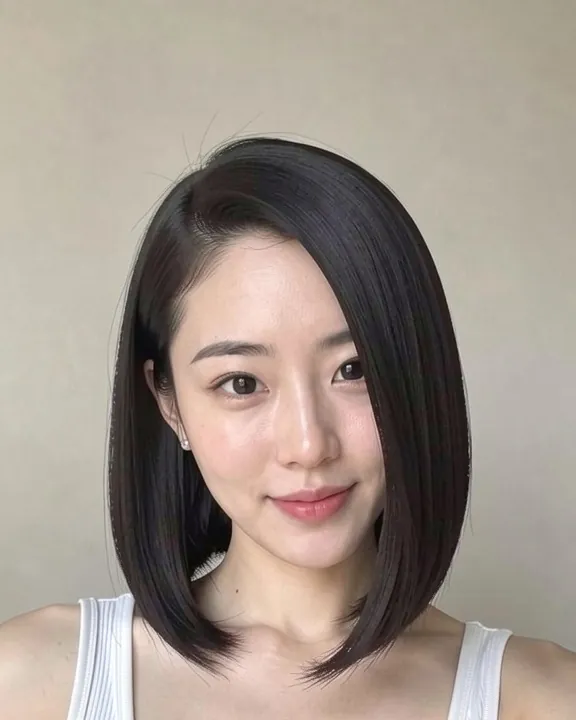
AI previews made with SwapHair from one photo of the same woman. Some previews also shifted her color; the cut is what to look at.
Lob (long bob)
Anywhere from just below the chin to the collarbone. It's the most versatile bob: long enough for a small ponytail, easy to wave or wear straight, and flattering on most face shapes because it ends below the jaw. A blunt lob suits fine hair; a layered lob suits thick or wavy hair.
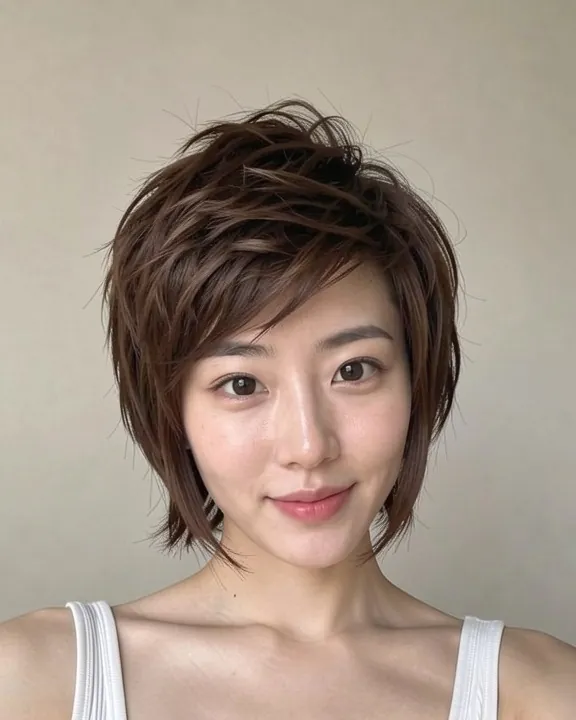
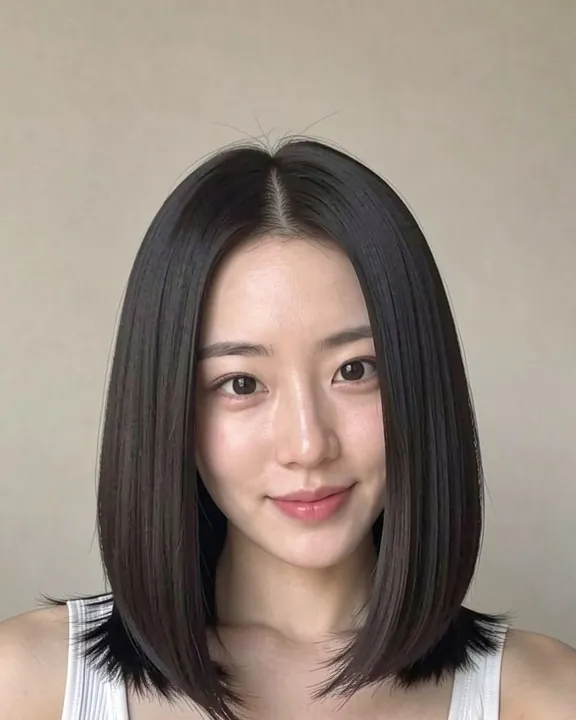
AI previews made with SwapHair from one photo of the same woman. Some previews also shifted her color; the cut is what to look at.
Choosing by hair type and face shape
- Fine, straight hair: classic blunt bob or blunt lob. Avoid heavy texturizing.
- Thick hair: Italian or shattered bob, with weight removed inside so it doesn't widen.
- Wavy or curly hair: a layered wavy bob, cut dry or curl by curl, chin length or longer.
- Round face: end below the chin (lob, asymmetric) and avoid rounded shapes that stop at the cheeks.
- Long face: French or classic bob with a fringe.
- Square face: soft, textured ends and a length slightly above or below the jaw corner, not exactly on it.
How to ask for it
Point to where it should end (lip, chin, jaw or collarbone), say blunt or textured, fringe or no fringe, and how you'll style it day to day. A photo of the bob on your own face settles most of it.
FAQ
What's the difference between an Italian bob and a French bob?
Length and finish. An Italian bob sits around the jaw with a thick, glossy, swingy shape and usually no fringe. A French bob is shorter, between the lips and the jaw, usually has a fringe and is worn more undone.
Which bob is best for fine or thin hair?
A blunt classic bob or a blunt lob. A solid edge makes the ends look thicker. Heavy layering or razor texture removes bulk that fine hair can't spare.
Which bob is best for thick hair?
An Italian or shattered bob with weight taken out from the inside. Without that, thick hair tends to puff out into a triangle at chin length.
What is a bixie cut?
A cross between a pixie and a bob: short and layered at the back like a pixie, with longer, bob-like pieces around the ears and face. It's popular as a way to grow out a pixie.
Will a bob make my face look rounder?
It can if it ends at the widest part of your face, usually the cheeks, and curves under. A bob that ends below the chin, or one with an angle, adds length instead.
How often does a bob need trimming?
Roughly every six to eight weeks for chin-length bobs, four to six for micro bobs and bixies, and eight to ten for a lob. Fringes need a quick trim every three to four weeks.